Subscribe to our newsletter

FIA Region I supports the EU’s objective of climate neutrality and recognises the important role of the automotive sector in reducing greenhouse gas emissions. However, while electrification will play a key role in achieving these objectives, the organisation advocates for a transition that remains affordable, realistic, and socially fair for consumers across the European Union.
FIA Region I supports a technology-neutral approach that allows multiple powertrains beyond 2035, while emphasizing that electrified vehicles must deliver substantial real-world electric performance, backed by clear monitoring to ensure credible emissions reductions and preserve consumer choice.
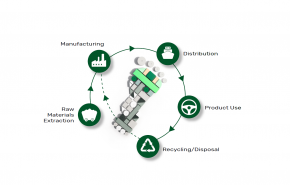
FIA Region I also acknowledges the potential of renewable fuels post-2035 but warns that, without stronger incentives, clear methodologies, and robust verification, their current role is too limited to achieve meaningful emissions reductions, and supports shifting to a lifecycle emissions perspective.
Maintaining a diverse range of powertrains beyond 2035 is seen as important to preserve consumer choice and affordability, provided this is carefully implemented, regularly reviewed, and aligned with genuine emissions reductions. Similarly, FIA Region I supports limited flexibility mechanisms before 2035, such as multiannual compliance and CO₂ credit banking and borrowing, while stressing they must be closely monitored to avoid delays, reduced transparency, or higher costs for consumers.
Regarding the interaction with ETS 2 and the Social Climate Fund, FIA Region I stresses that, with ETS 2 delayed to 2028, CO₂ standards must be carefully aligned with carbon pricing to safeguard affordability, limit unintended costs, and ensure a fair, socially balanced transition for all consumers.
FIA Region I also welcomes incentives like super-credits to increase the availability of smaller, affordable electric vehicles in the EU, ensuring a wider range of accessible models and supporting a fair, inclusive transition.
Finally, vehicle labelling should provide clear, standardised, and user-friendly information on lifecycle emissions and energy efficiency, enabling consumers to make informed comparisons consistent with CO₂ emission objectives.
Overall, FIA Region I believes the revised CO₂ standards should balance flexibility with transparency, keeping affordability and accessibility central while delivering real emissions reductions, and remains committed to engaging with EU institutions to ensure the standards support both climate goals and the needs of consumers across Europe.